

Hannah Meyer
Hannah is an Assistant Professor and the lab’s principal investigator. She received a B.Sc. and M.Sc. from Heidelberg University before she started her Ph.D. in Ewan Birney's research group at the European Bioinformatics Institute (EMBL-EBI), University of Cambridge. After graduation, Hannah started her independent research group at CSHL.
Hannah is an Assistant Professor and the lab’s principal investigator. She received a B.Sc. and M.Sc. from Heidelberg University before she started her Ph.D. in Ewan Birney's research group at the European Bioinformatics Institute (EMBL-EBI), University of Cambridge. After graduation, Hannah started her independent research group at CSHL.

Yong Lin
Yong is a Postdoctoral Fellow. He received a Ph.D. in Immunology from Baylor College of Medicine. In the Meyer Lab, he studies how genetic polymorphisms influence pediatric T cell development and predisposition to immune-mediated diseases in adulthood.
Yong is a Postdoctoral Fellow. He received a Ph.D. in Immunology from Baylor College of Medicine. In the Meyer Lab, he studies how genetic polymorphisms influence pediatric T cell development and predisposition to immune-mediated diseases in adulthood.

Rishvanth Prabakar
Rish is a postdoctoral fellow. He studies the interaction between T cells and epithelial cells in the thymus to understand the process of negative selection which helps prevent auto immunity. He was previously trained in molecular and computational biology focusing on single cell genomics at the University of Southern California.
Rish is a postdoctoral fellow. He studies the interaction between T cells and epithelial cells in the thymus to understand the process of negative selection which helps prevent auto immunity. He was previously trained in molecular and computational biology focusing on single cell genomics at the University of Southern California.

Todor Cvetanovic
Todor is an immunology novice, a PhD student interested in RNA biology, regulation and mechanisms of promiscuous gene expression in the thymus. He received his BSc and MSc degrees in Molecular Biology from University of Belgrade, Serbia.
Todor is an immunology novice, a PhD student interested in RNA biology, regulation and mechanisms of promiscuous gene expression in the thymus. He received his BSc and MSc degrees in Molecular Biology from University of Belgrade, Serbia.

Sarah Chapin
Sarah is a Computational Science Developer. She received an A.B. in Biomedical Engineering from Harvard University, where she worked on genome-wide association studies of infectious diseases. In the Meyer lab, she uses spatial transcriptomics to investigate antigen presentation in the thymus.
Sarah is a Computational Science Developer. She received an A.B. in Biomedical Engineering from Harvard University, where she worked on genome-wide association studies of infectious diseases. In the Meyer lab, she uses spatial transcriptomics to investigate antigen presentation in the thymus.

Vasilisa Kovaleva
Vasilisa is a PhD student at CSHL School of Biological Sciences. She received a B.Sc from Moscow State University and an M.Sc. from Skoltech University. She is interested in molecular mimicry and how it impacts the differentiation between self and foreign by adaptive immunity. In the Meyer Lab, she studies the cross-reactivity of T-cell receptors.
Vasilisa is a PhD student at CSHL School of Biological Sciences. She received a B.Sc from Moscow State University and an M.Sc. from Skoltech University. She is interested in molecular mimicry and how it impacts the differentiation between self and foreign by adaptive immunity. In the Meyer Lab, she studies the cross-reactivity of T-cell receptors.
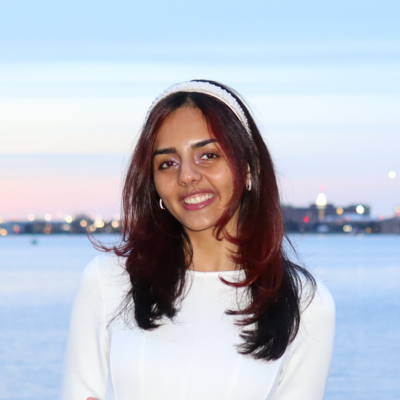
Urja Choudhary
Urja is a Research Technician in the Meyer Laboratory. She received her BSc in Biotechnology from the University of Mumbai and her MSc in Biotechnology from Northeastern University, Boston. With a background in mechano-developmental biology and molecular biology, and a keen interest in immunology, she now focuses on human thymic epithelial cell development.
Urja is a Research Technician in the Meyer Laboratory. She received her BSc in Biotechnology from the University of Mumbai and her MSc in Biotechnology from Northeastern University, Boston. With a background in mechano-developmental biology and molecular biology, and a keen interest in immunology, she now focuses on human thymic epithelial cell development.

Antonia Little
Antonia is the Scientific Administrator for the Meyer Lab. She received her B.A. in Psychology from Hunter College. She supports our lab in all matters that relate to administration, recruitment, and organization.
Antonia is the Scientific Administrator for the Meyer Lab. She received her B.A. in Psychology from Hunter College. She supports our lab in all matters that relate to administration, recruitment, and organization.
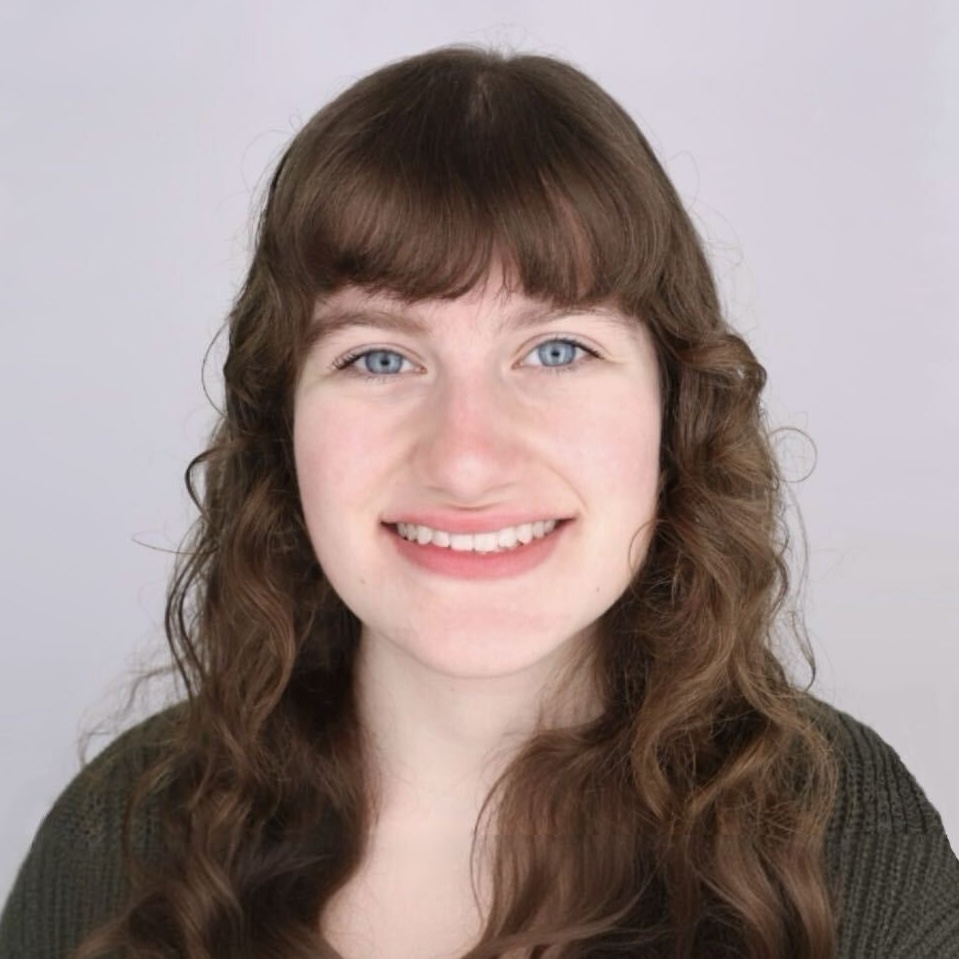
Emily Goldstein
Emily is a research technician in the Meyer lab. She received a B.S. in Biology and a minor in Digital and Data Studies from Binghamton University. With a background in cancer research that focused on epigenetics and immunology, she now studies human thymic epithelial cell development.
Emily is a research technician in the Meyer lab. She received a B.S. in Biology and a minor in Digital and Data Studies from Binghamton University. With a background in cancer research that focused on epigenetics and immunology, she now studies human thymic epithelial cell development.
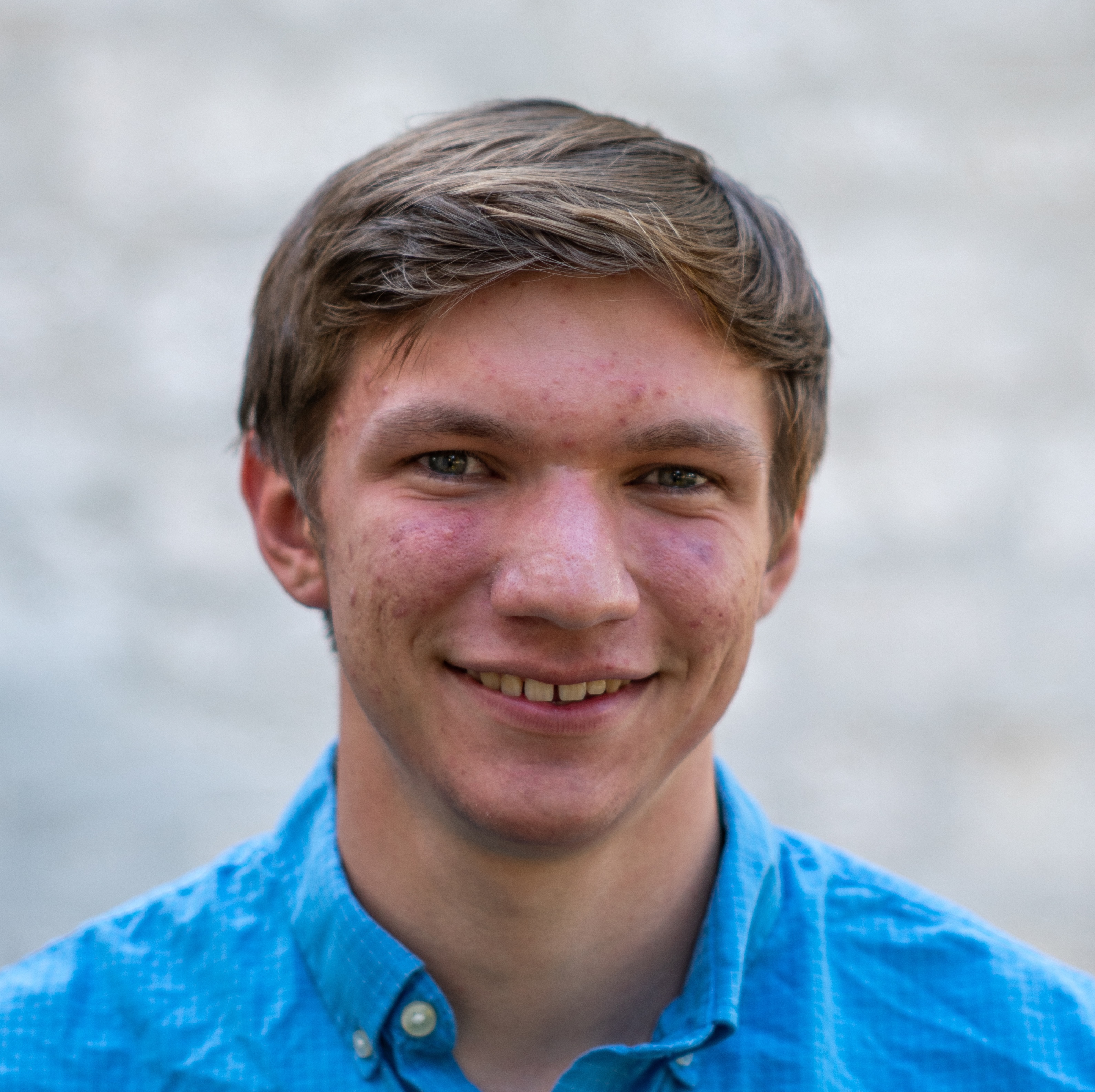
Dominic Pruss
Dominic is an undergraduate researcher in the Meyer Laboratory. He is currently studying at Baylor University in the Science Research Fellows program (Bioinformatics concentration) with a secondary major in biochemistry. In the Meyer lab he studies the role of cell type and tissue on cellular identity to help understand the identity of medullary thymic epithelial cells.
Dominic is an undergraduate researcher in the Meyer Laboratory. He is currently studying at Baylor University in the Science Research Fellows program (Bioinformatics concentration) with a secondary major in biochemistry. In the Meyer lab he studies the role of cell type and tissue on cellular identity to help understand the identity of medullary thymic epithelial cells.
Meyer Lab Alumni

Meyer lab 2021

Meyer lab 2023

Meyer lab 2025
Check out what our Lab Alumni are up to now: Meyer Lab Alumni